
Feminist talk
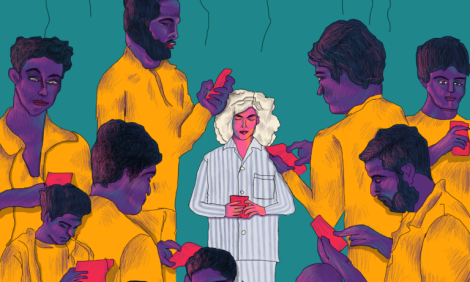
#SudanUpdates and the weaponization of Internet Access, where are Sudanese Women
On the 15th of April, a war broke out between the Sudanese Armed Forces (SAF) and the Rapid Support Forces (RSF), exposing the civilian population to death, and displacement. This is an update on what we need to know and how limited internet access is not allowing the Sudanese people to exercise their freedom of expression.
Publication
Where's the party at? and Our Virtual Histories: Research and reflections from Ikhtyar
Ikhtyar (Arabic for choice) is an invitation to an open space for people interested in discussing gender issues, and in documenting/developing a gender knowledge base in Arabic. GenderIT showcases their recent research on online harassment and violence, the specific forms it takes in the region and language and their reflections on the research process.

In depth
More than words. Investigating online discourse as a space of Gender-Based Violence
Here are insights into research on online gender-based violence against women and other minorities - especially around sexual objectification, delegitimisation of public personas, non-conformity to gender stereotypes and idealised notions of womanhood. Elena Pavan shares also about doing research using data scraped from online public discourses and the key questions going forward.
Feminist talk
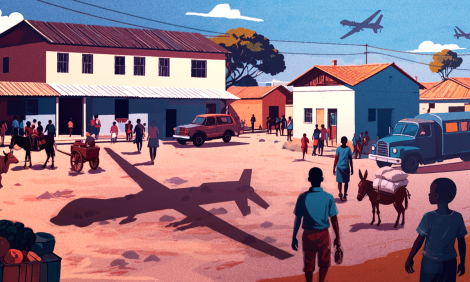
More Than a Blackout: How RSF’s Digital Warfare Targets Sudan’s Women Defenders and Activists
From women’s centres gone dark to mass displacement and starvation, the human toll of Sudan’s digital siege has been devastating and unreported—yet there is fierce determination from women on the ground to organize and stay connected.

Feminist talk
Disinformation, Social Manipulation and Expanded Authoritarian Digital Control in Egypt
Drawing from the research, this article addresses the complex interplay of political, economic and social structures driving state and non-state tech-facilitated violence in Egypt, highlighting its connection to the recent wave of arrests targeting TikTok content creators.
Feminist talk
Beyond knowledge production: Can research be a site for more? Reflexive notes
In this critical reflection of her experience in conducting feminist research on the implication of TFGBV on women and LGBTQ+ people in Egypt, Aya explores research as a site for community building and organising.
In depth
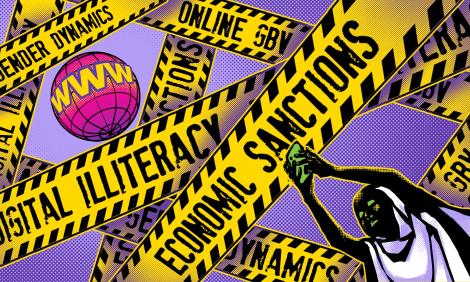
Examining the Digital Exclusion of Women and Online Gender-Based Violence in Sudan
Through the article, two feminist researchers from Sudan show us the ways in which online and offline experiences of violence are connected. The research investigates varied aspects of patriarchal control that forbids women’s access to technological devices and free usage of it. At the same time, they trace the impact of complicated political and social dynamics including economic…

In depth
Queer lust and internet orgasms
In this piece, the author investigates how they witnessed alternative porn that in its core is feminist, queer and diverse on the internet.
Feminist talk
Who is your global South feminism serving?
In this article, the Zimbabwean feminist researcher and writer Fungai Machirori challenges the idea of "the global South" as a homogenous space.
Feminist talk
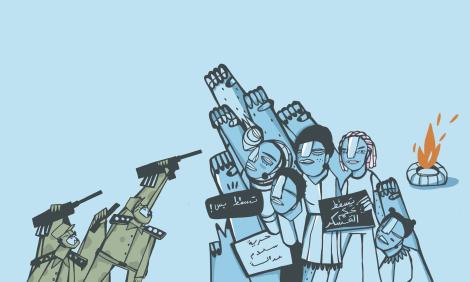
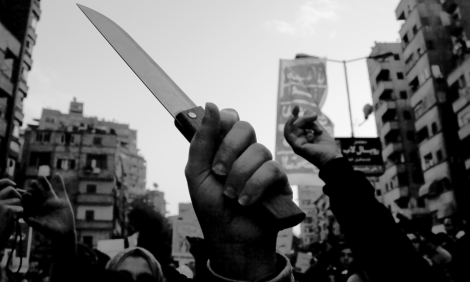
Online violence faced by outspoken activists: the case from Egypt
Online violence and harassment mirrors the realities of persecution in the "real world" and extends the avenues for prejudice and discrimination. In Egypt, outspoken activists and Nubian people supporting the cause of Nubians to their own land and also speaking out about race and skin colour-based prejudice face virulent online attacks and are also banned by the Egyptian government.